Large vs small porcelain tiles – which do you choose for your project? Size of tile is a key consideration along with tile design, colour and finish. Large and small porcelain tiles can make your space feel very different and impact the overall look and design of your home. In our blog we explore tile size helping you to decide which tile size might work best for your new project.
Large Porcelain Tiles
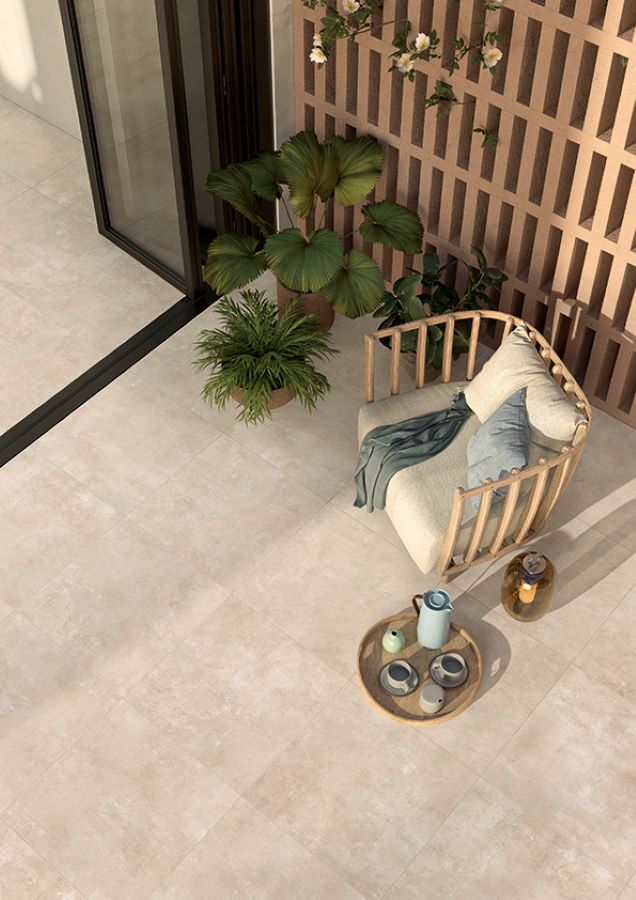
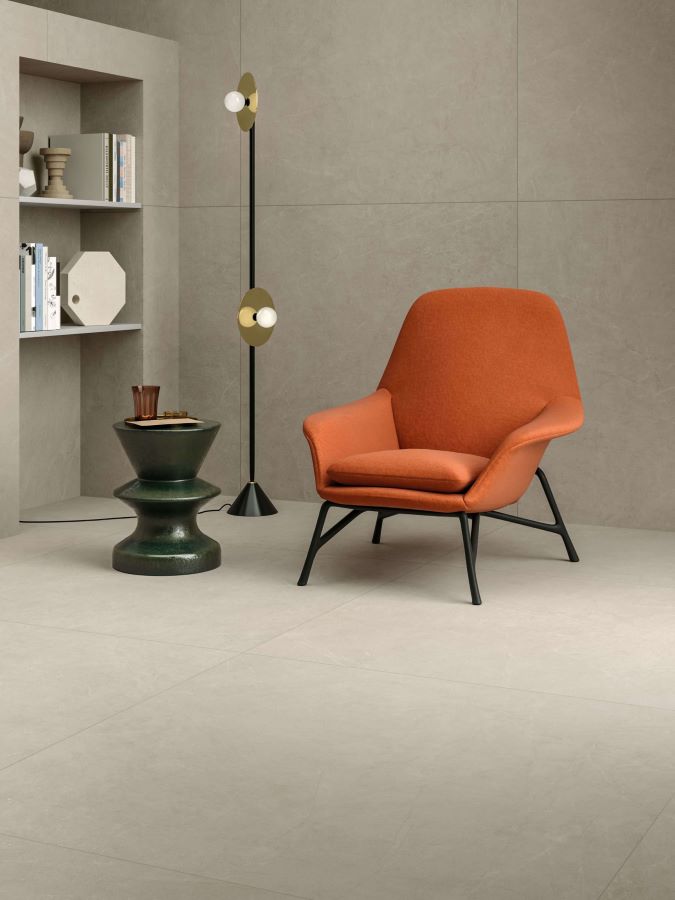
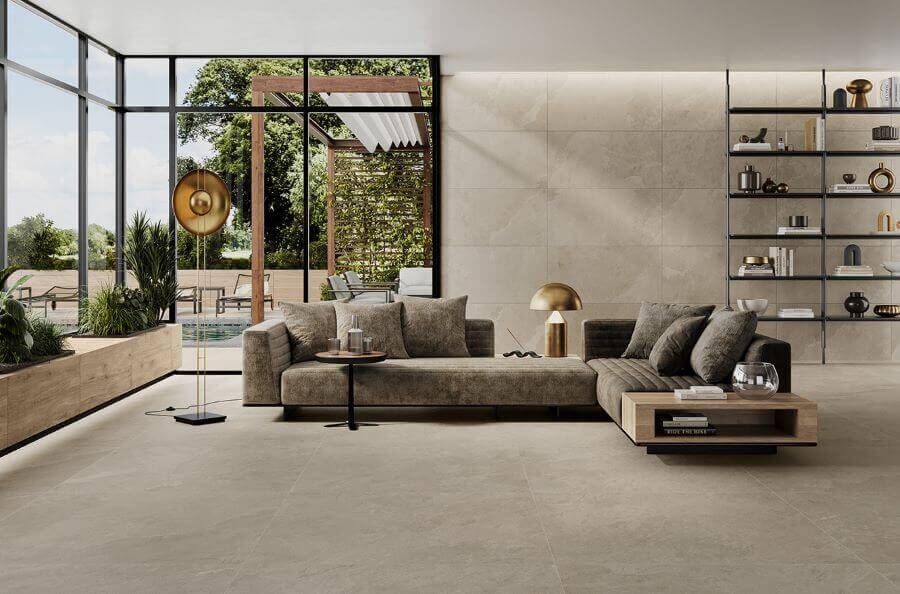
What is a large format tile? Tile sizes have increased steadily over the past few years with larger formats fast becoming the go-to for projects large and small. Large format tiles are generally considered to start at a 600 x 600mm size and include tile sizes such as 800 x 800mm, 900 x 900mm, 1m x 1m, 1200 x 1200mm, 1200 x 600mm and even larger sheets for example 1510 x 750mm. These larger than life sizes are chosen because they really can make a room feel more spacious, seamless and expansive. This is because they have less grout lines than smaller tiles – and are all the more elegant for it. They are also great for showcasing tile design, particularly stone and marble effects because they can depict large sweeping, unbroken veins across a single tile. This also helps to ensure spaces feel less busy.
The use of a co-ordinating grout on fewer grout lines means entire ground floors can have an almost seamless appearance.
Small Porcelain Tiles
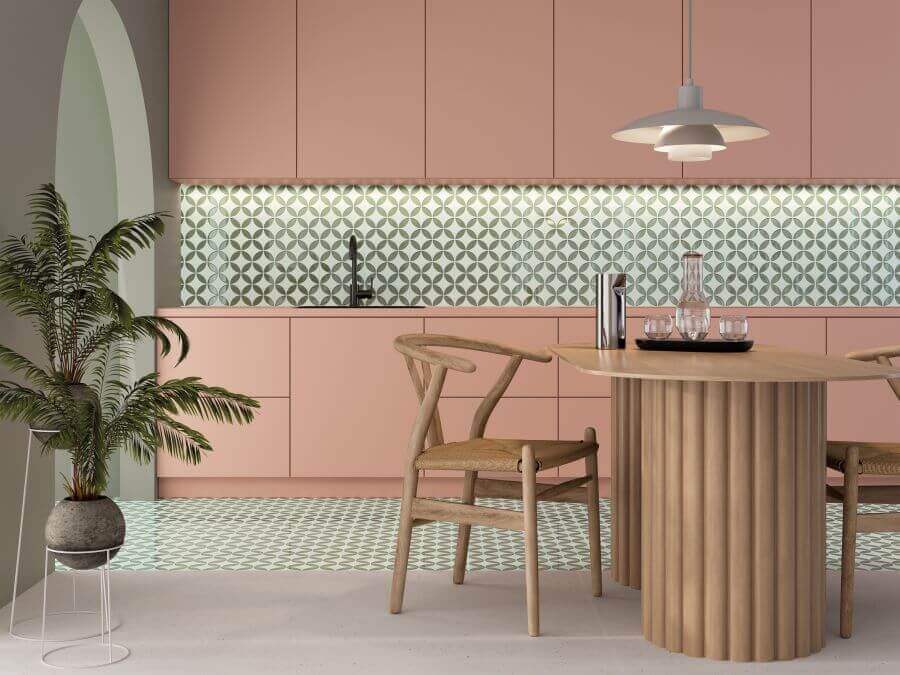
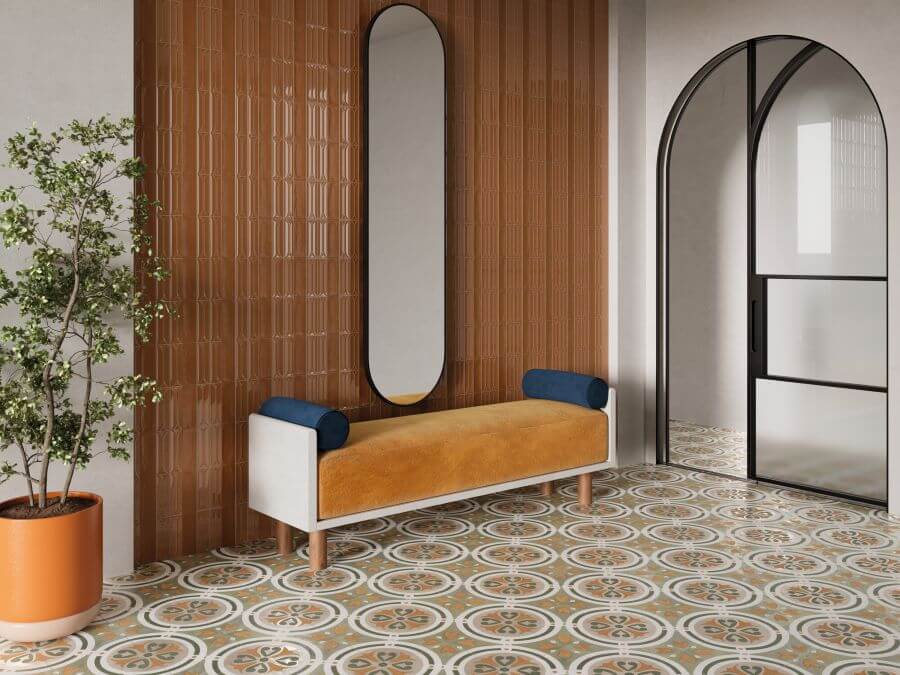
Small porcelain tiles offer versatility and adaptability and can be ideal where you want pattern or more complex design. They can add texture and decoration to a space, with tiles featuring glossy surfacing, handmade finishes and an artisan feel. Very often these tiles are not rectified and this is part of their charm. Because they are small, these tiles mean there are more grout lines. That can be turned into a feature with a contrasting grout colour. Whilst smaller tiles will require more upkeep because of numerous grout lines, they are easier to install particularly on uneven walls and floors.
Luxuriously large porcelain tiles are perfect for:
Small Tiles look Stunning for…
Of course, there is no need to stick to only one option. Many contemporary designers now juxtapose large tiles on floors with smaller tiles on walls to create elegant spaces or vice versa.
One of the critical differences in large vs small porcelain tiles is the installation process and costs. Considering this might help you decide which format is perfect for your unique space.
Large format tiles
Small format tiles
The design options for both large and small porcelain tiles are plentiful. Let’s browse four TilePortfolio favourites:
Large tiles
Large tiles are best at achieving a contemporary feel.
Small tiles
Small tiles can create intricate, playful spaces.
Clearly, choosing between large or small porcelain tiles is a tough choice. They both have their unique advantages and can look equally stunning in the right setting. Think about the space you are designing for. Large porcelain tiles create expansive spaces. On the other hand, small tiles are playful and decorative. The decision is yours!
Click the images to head straight to these tiles on our website. Working on a project? We’d love to help! Get in touch and let us start searching for beautiful tiles with you!
If you would like to know more, please get in touch...
The TilePortfolio specialise in Italian and Spanish Porcelain and Ceramic tiles, in particular large format Porcelains and Porcelain tiles for inside and outside. Our carefully curated, stunning tile portfolios are beautifully presented online and supported by our fuss-free ‘go-the-extra-tile’ service. In addition, you can view our entire tile collection at our Northamptonshire Showroom. Visit our website for unmissable interiors inspiration. The TilePortfolio team are always available to chat, we’d be delighted to help with your project so please do get in touch.
Please note: We strongly recommend using a professional tiler for your project. Installation requirements may vary depending on the tiles you choose, the fixing products used and the specific conditions. Always check with your tiler regards the suitability of the tiles. Please get in touch with us if you have any questions.